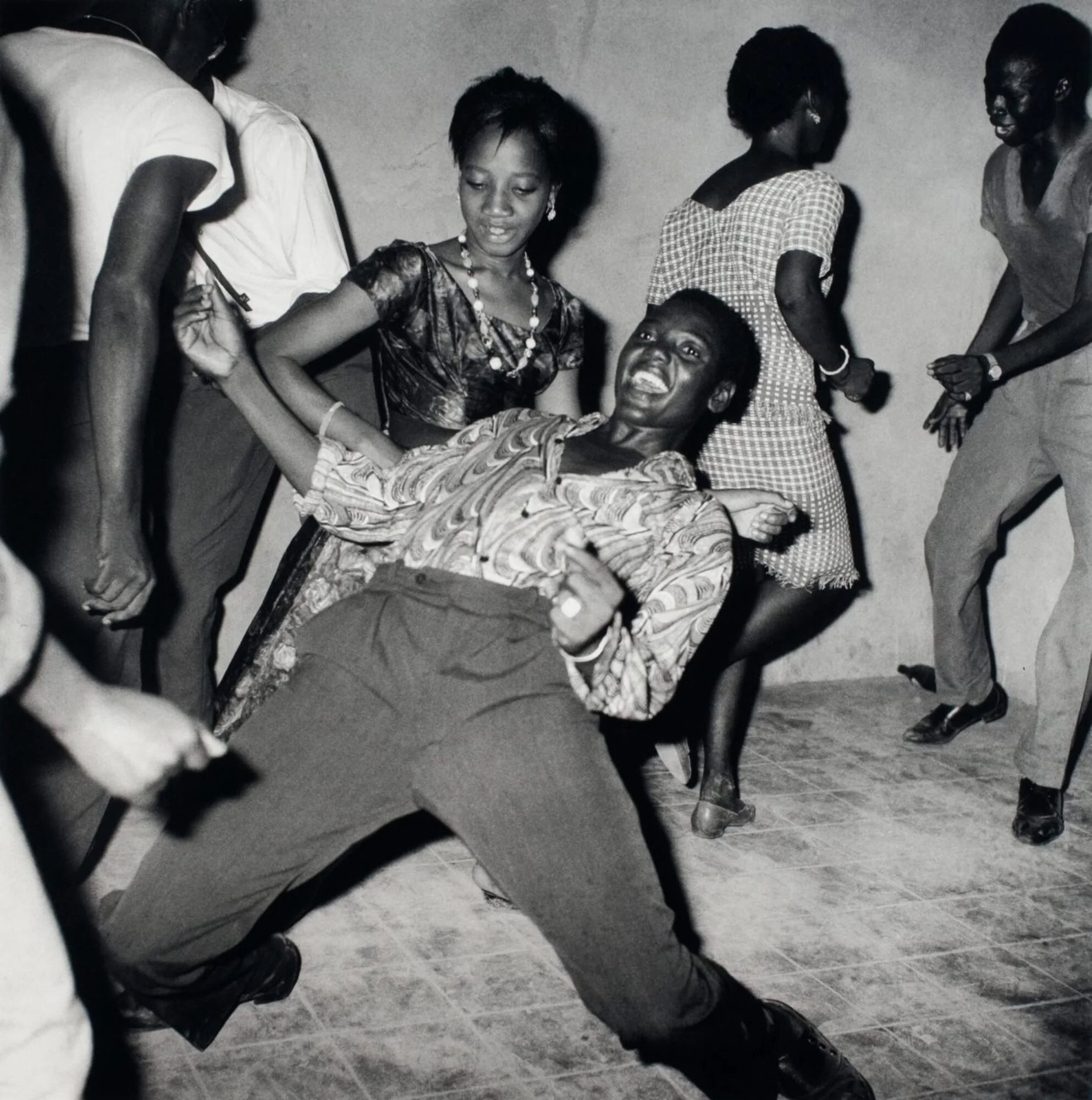
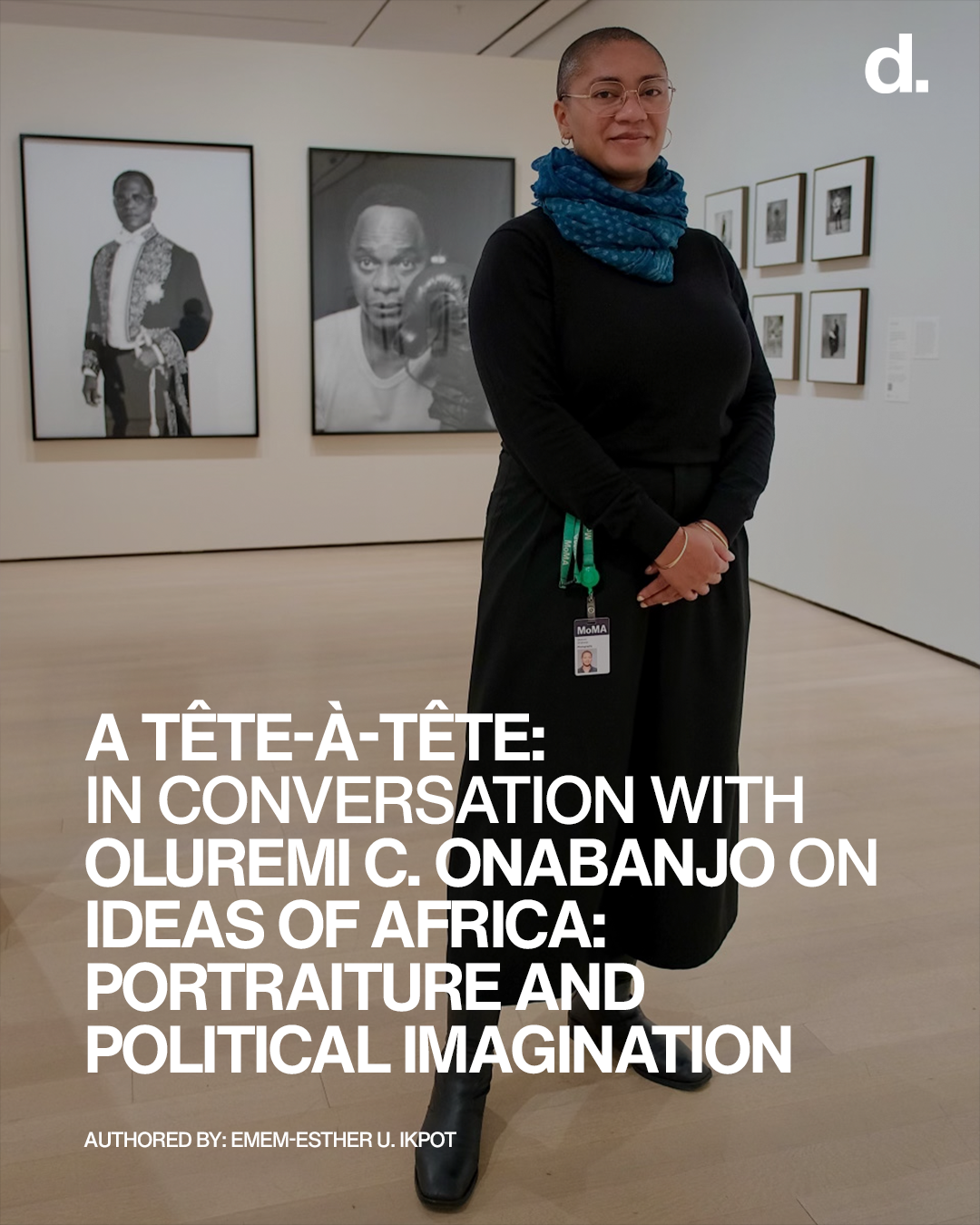
Currently on view at the MoMA until July 25, 2026

In this interview, we dissect the layered, multidimensional elements of portrait photography across the African diaspora.

“Reminiscing on old family portrait photos - their grainy textures, tattered borders, pensive faces, stylistic poses, intricate backgrounds, and complex dispositions of memory—evokes a flurry of emotions, thoughts, stories, worlds. Within these vintage black and white pictorial worlds, we are transfixed across specific dimensions of time, taking us back into history’s nostalgia, through the present’s sense of familiarity, all the way to the future’s endless promise of novelty.”

—Emem-Esther U. Ikpot, for MoMA
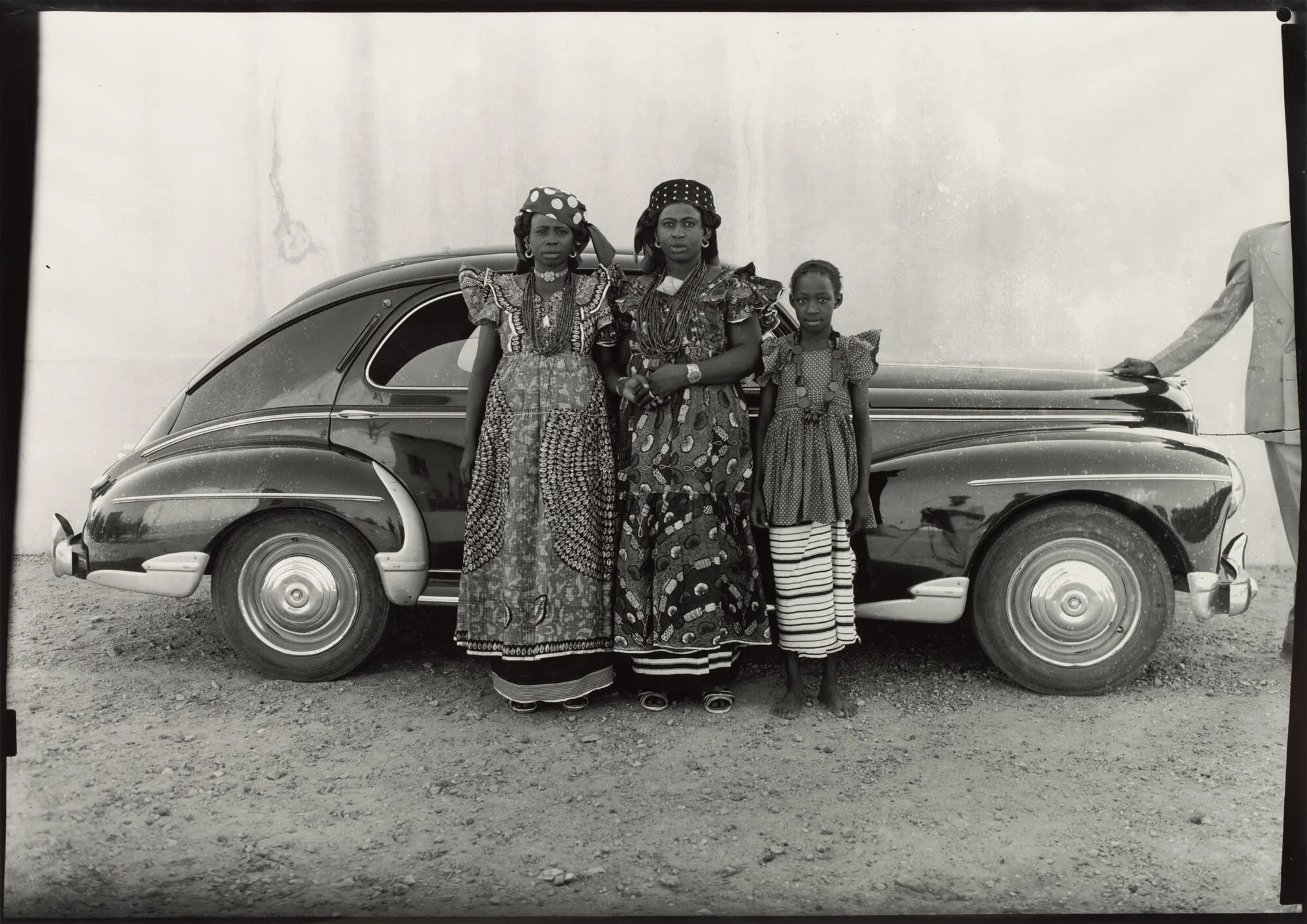
For this piece, I had the lovely pleasure of speaking with Oluremi C. Onabanjo, Museum of Modern Art (MoMA) Curator on her incredible exhibit ‘Ideas of Africa: Portraiture and Political Imagination.’ There are entire worlds within each of these photos. Situating us within themes of love, loss, belonging; freedom.

“I encourage you to really think about how a photographic portrait is made. These are deliberately constructed compositions, and when we are attentive to those moves, we might see things anew. [Portraiture] is an act of creativity in front of and behind the lens for these specific image makers. These are not photographic portraits as identity documents; these are not photographic portraits that attest to a fixed truth, these are photographic portraits that are concerted conversations with people in front of a camera and the person behind the camera. These are deliberate, performative, imaginative images—and they’re being made at a moment when countries across the African continent are decolonizing.”

Oluremi C. Onabanjo

Next
Next

Author